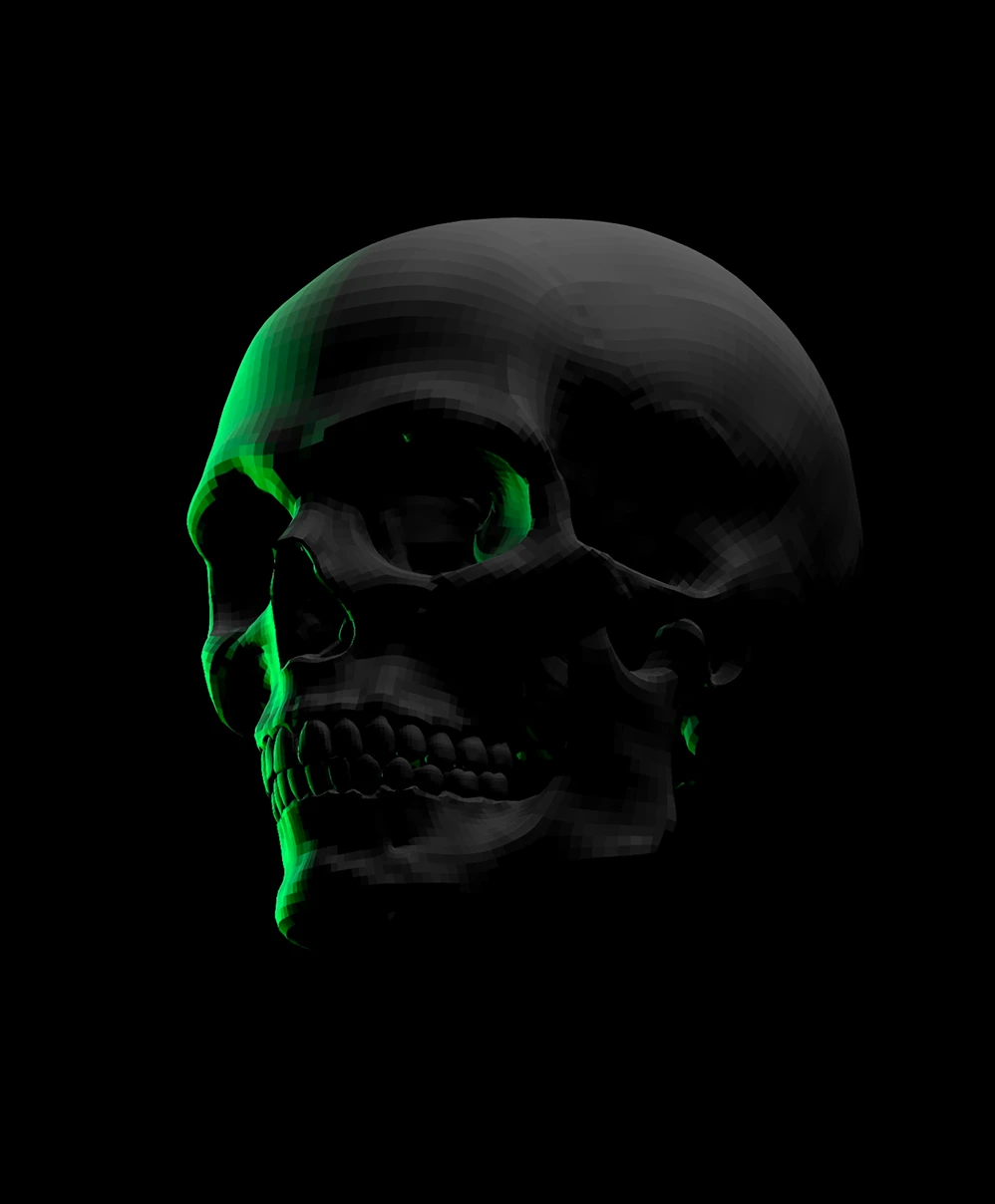
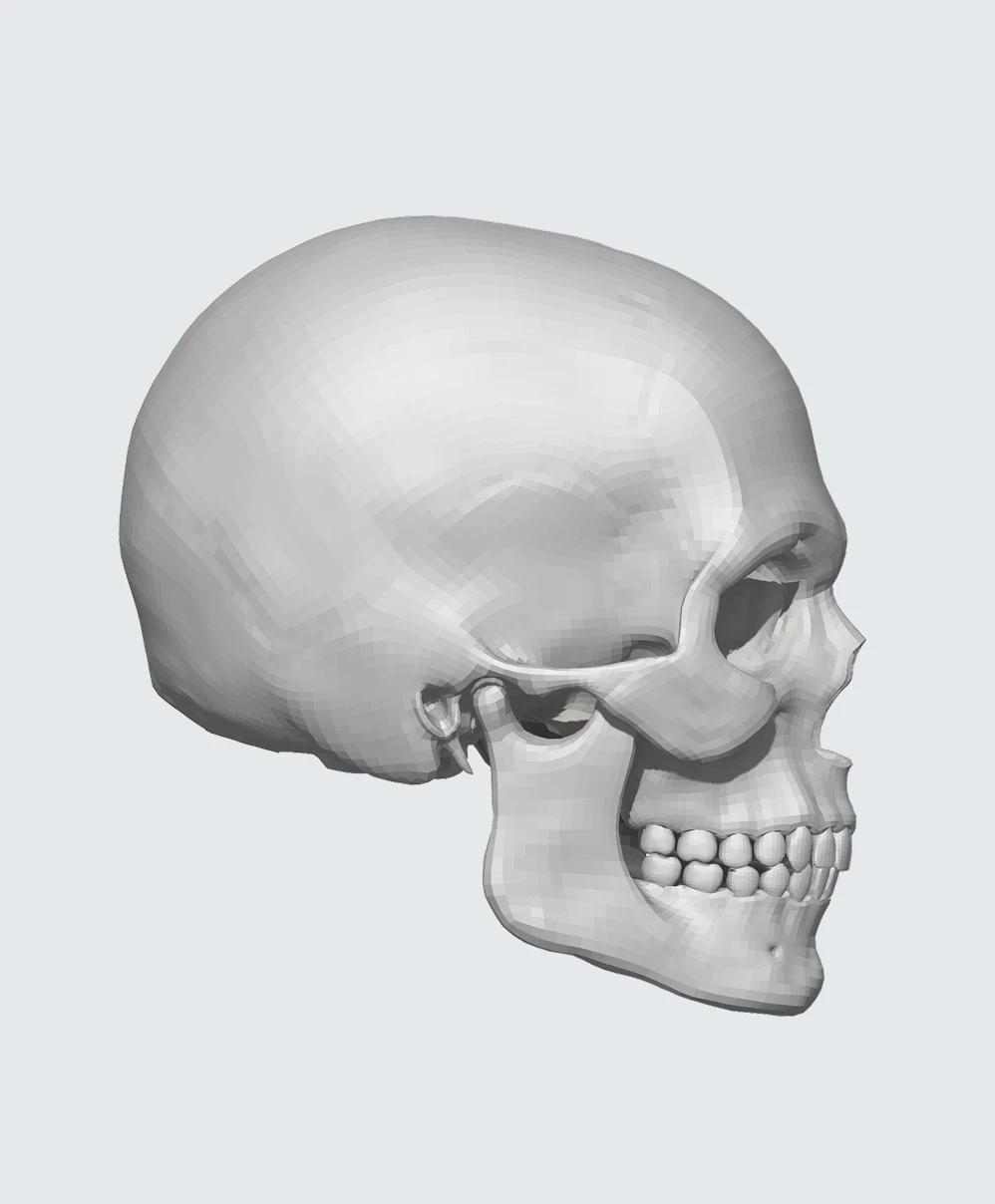
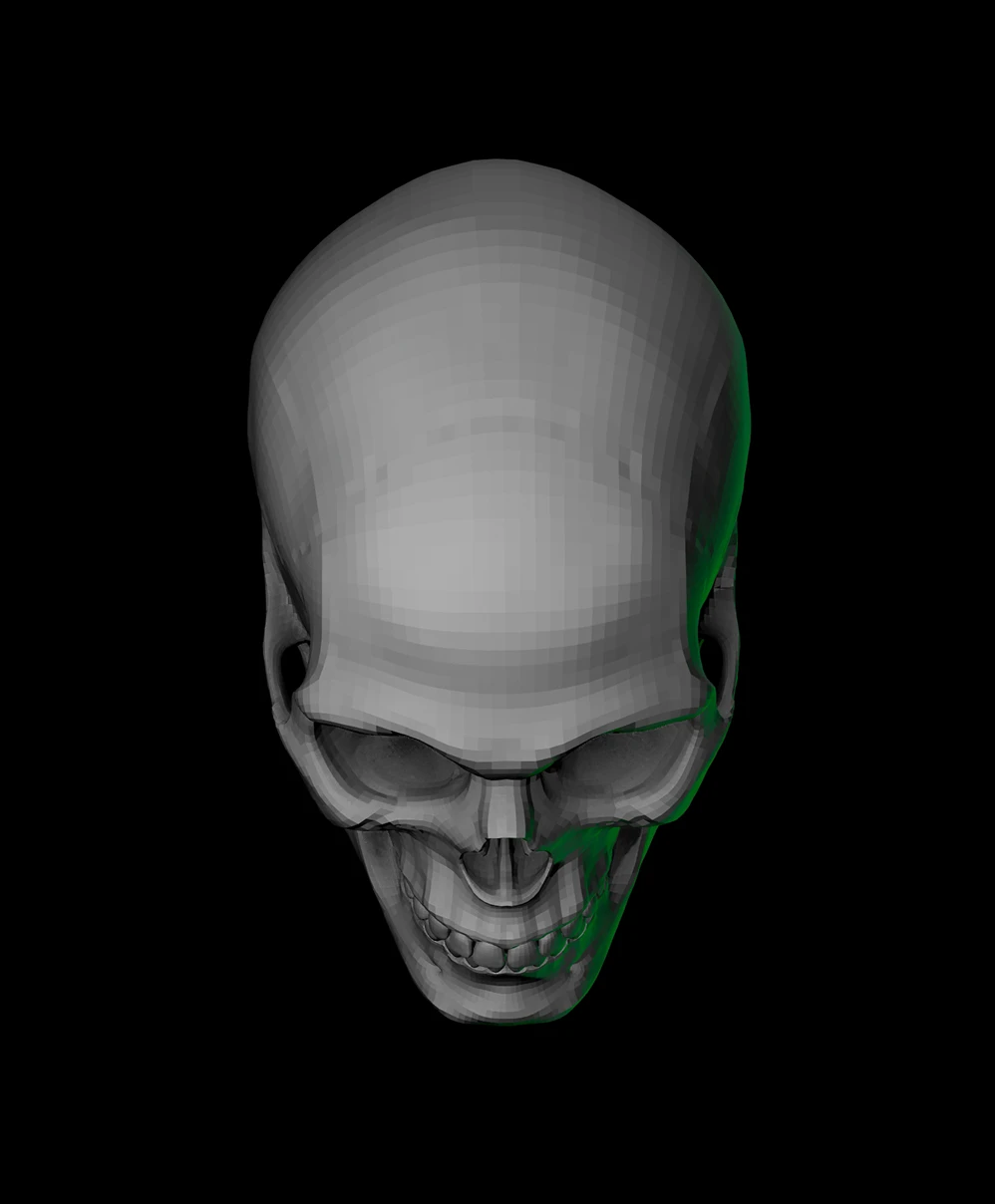
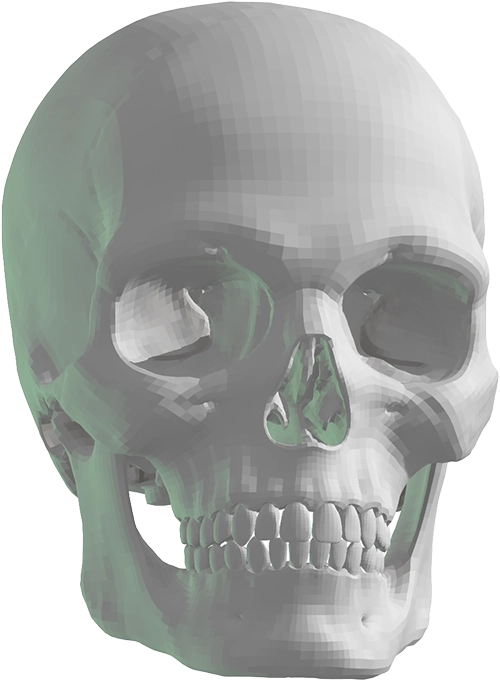
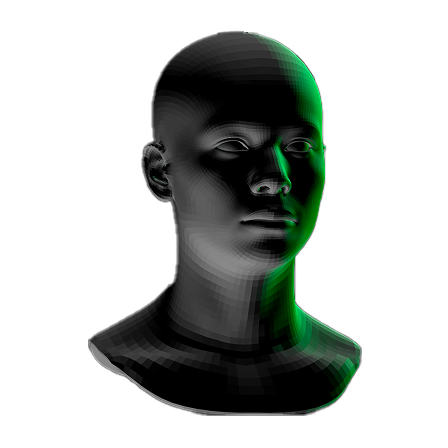
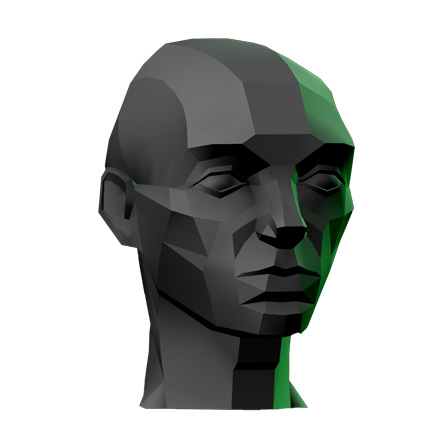
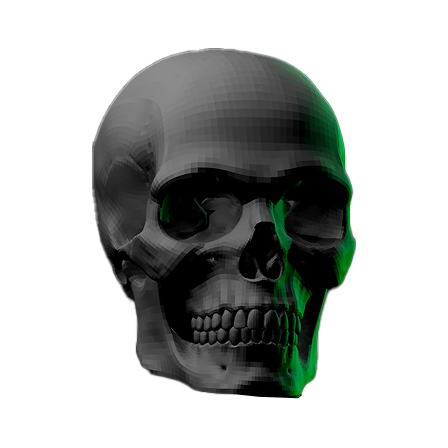
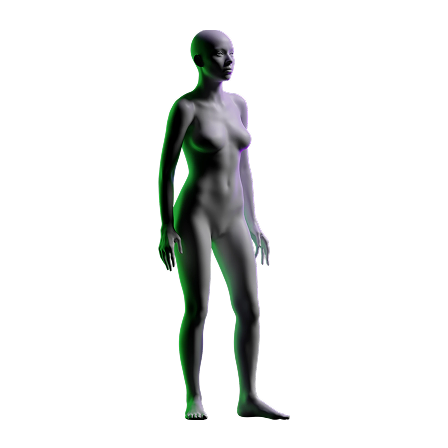
If this model is your lab for learning light, then these three setups are your experiments—test them, observe the effects, and sharpen your skills with every tweak:
Rim Lighting: Position a light behind or somewhere past the model itself. This separates the skull from the background and emphasizes its silhouette.
High-key Lighting: Turn the key light on and the accent light off. This setup makes it easy to see the skull’s contours and hollows.
High-key + Rim Lighting: Use the key light fully and the accent light sparingly. This lights the entire skull while highlighting the jaw and cheekbones.
These setups are just the beginning of what’s possible. Use them as a foundation, then push the lights further to discover your own unique style. Now get in there and show some backbone!
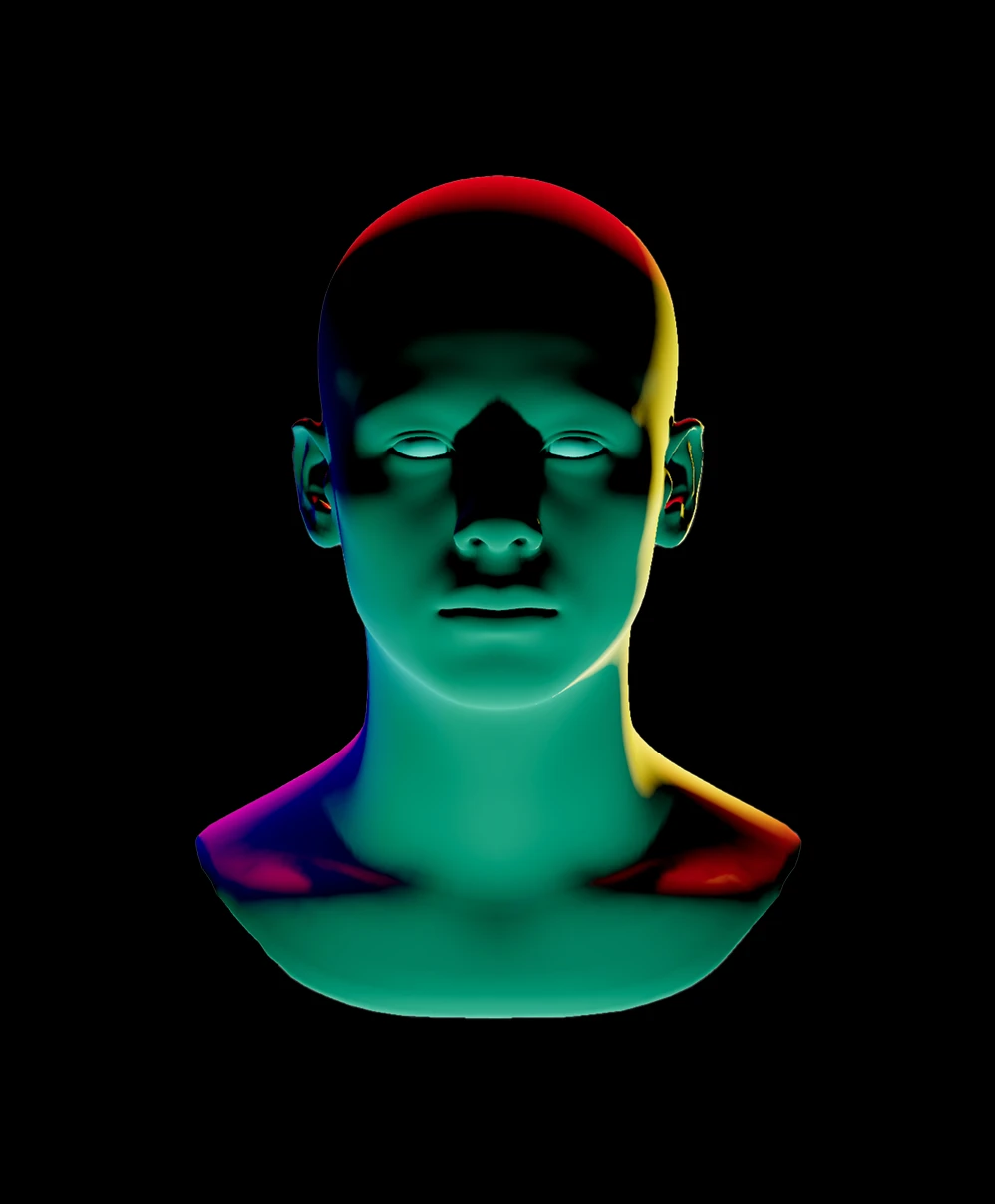
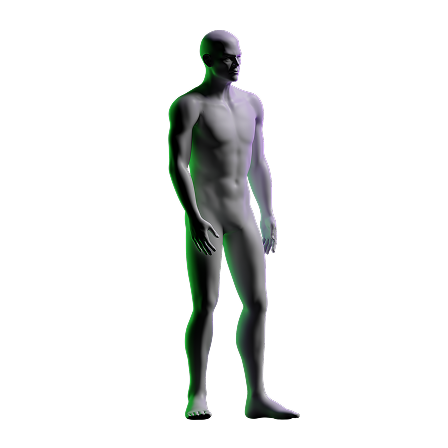
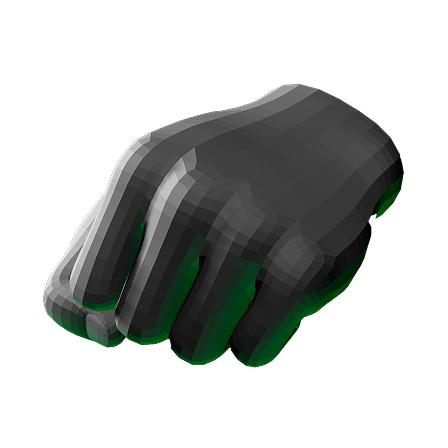
Custom lights, brightness, and colors
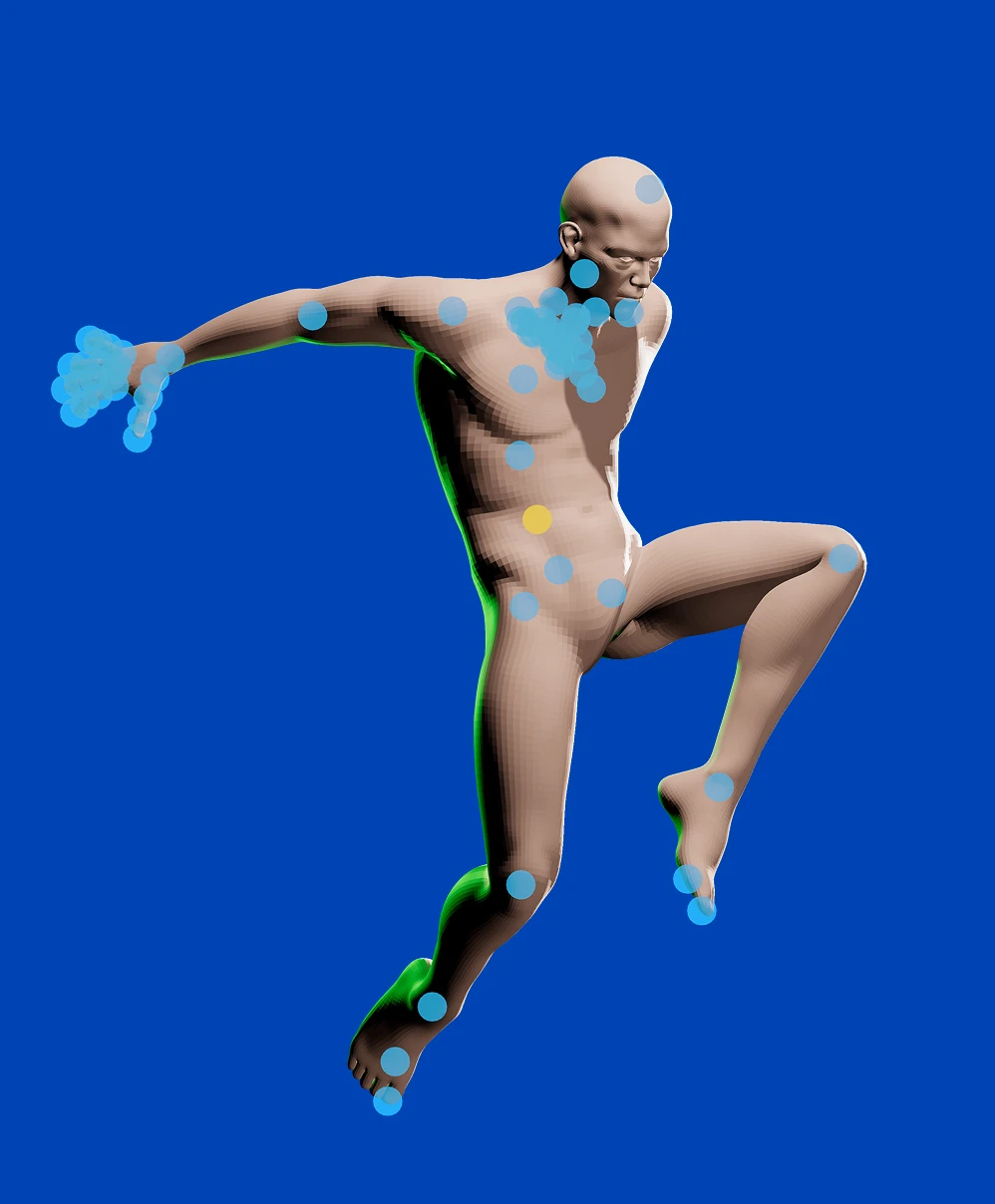
Pose and rotate models however you like
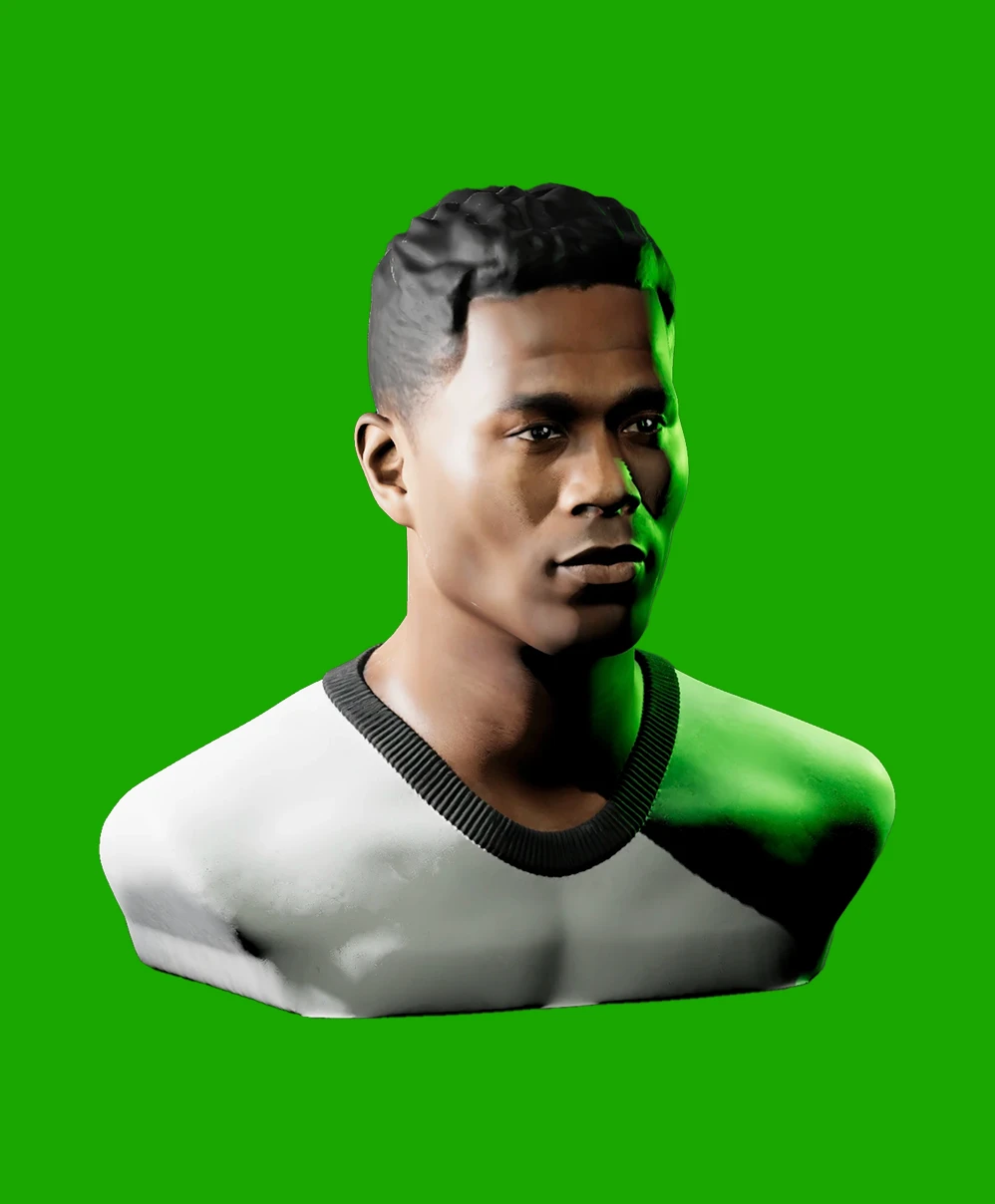
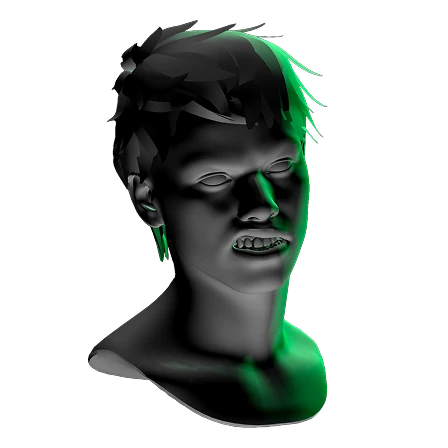
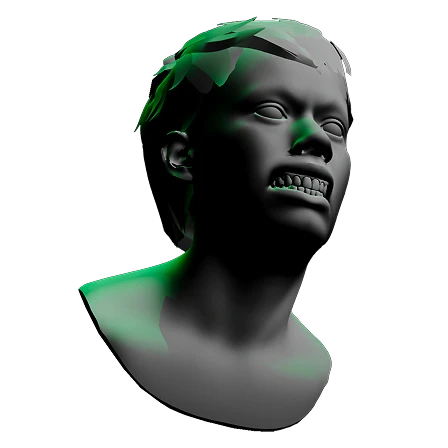
Realistic portrait lighting references
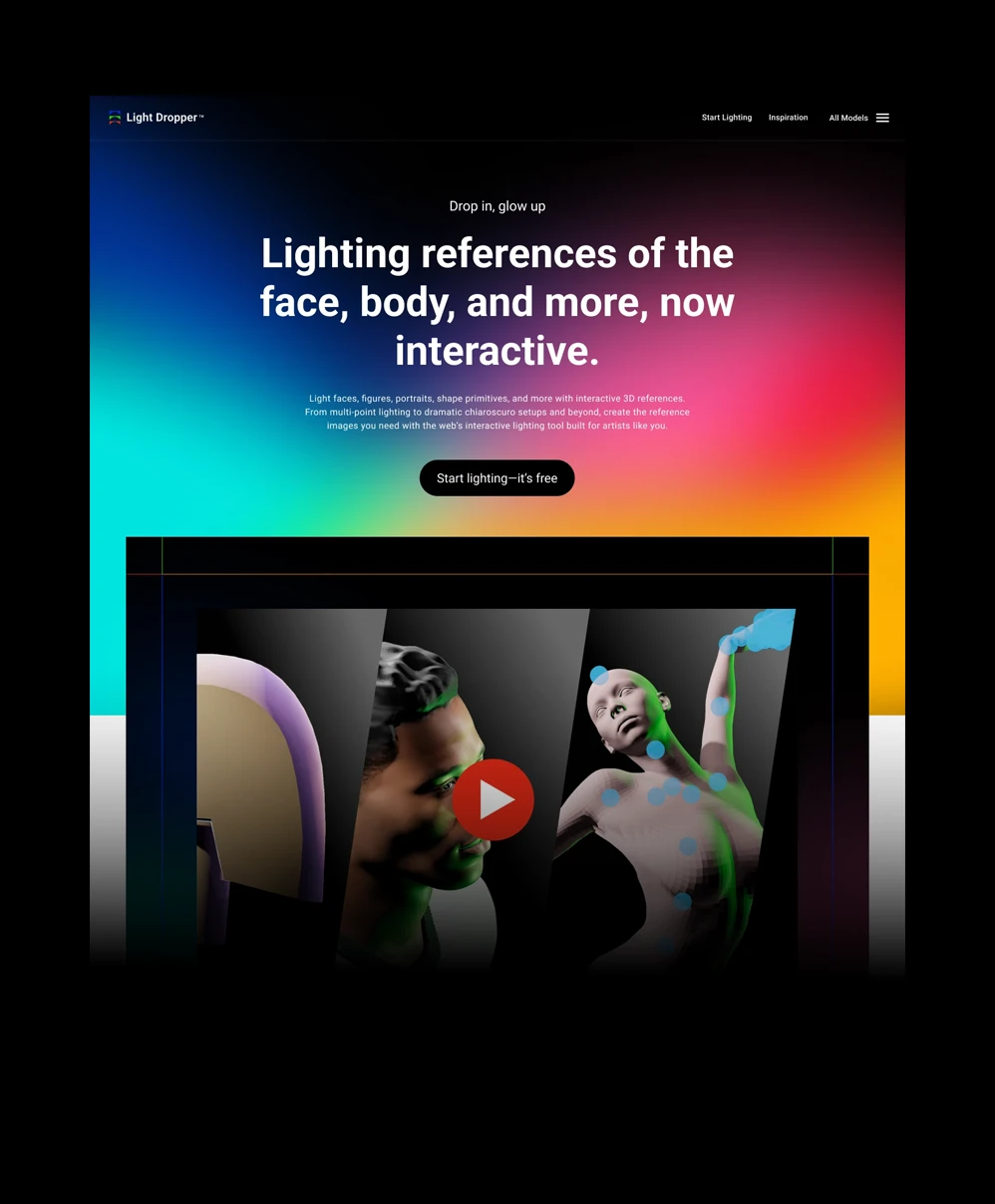
Say Hello to Light Dropper
What began as a single page on my portfolio has grown into Light Dropper, a dedicated tool I built from the ground up to help you master your lighting reference workflow. A lot of what’s inside came straight from your requests. Light Dropper lets you:
Customize the number of lights, along with their brightness and color
Pose and rotate models however you like. From shape primitives to animated models, the controls are yours
Take precise control over model, surface, and background color
Save your work across sessions
And plenty more
If you’re ready for a massive upgrade, it’s waiting for you at www.lightdropper.com. Light your reference your way.
Explore how light behaves on the underlying structure of the human head with this free 360° skull lighting reference. Study anatomy, planes, and landmarks under neutral or dramatic lighting, including rim and split lighting.